

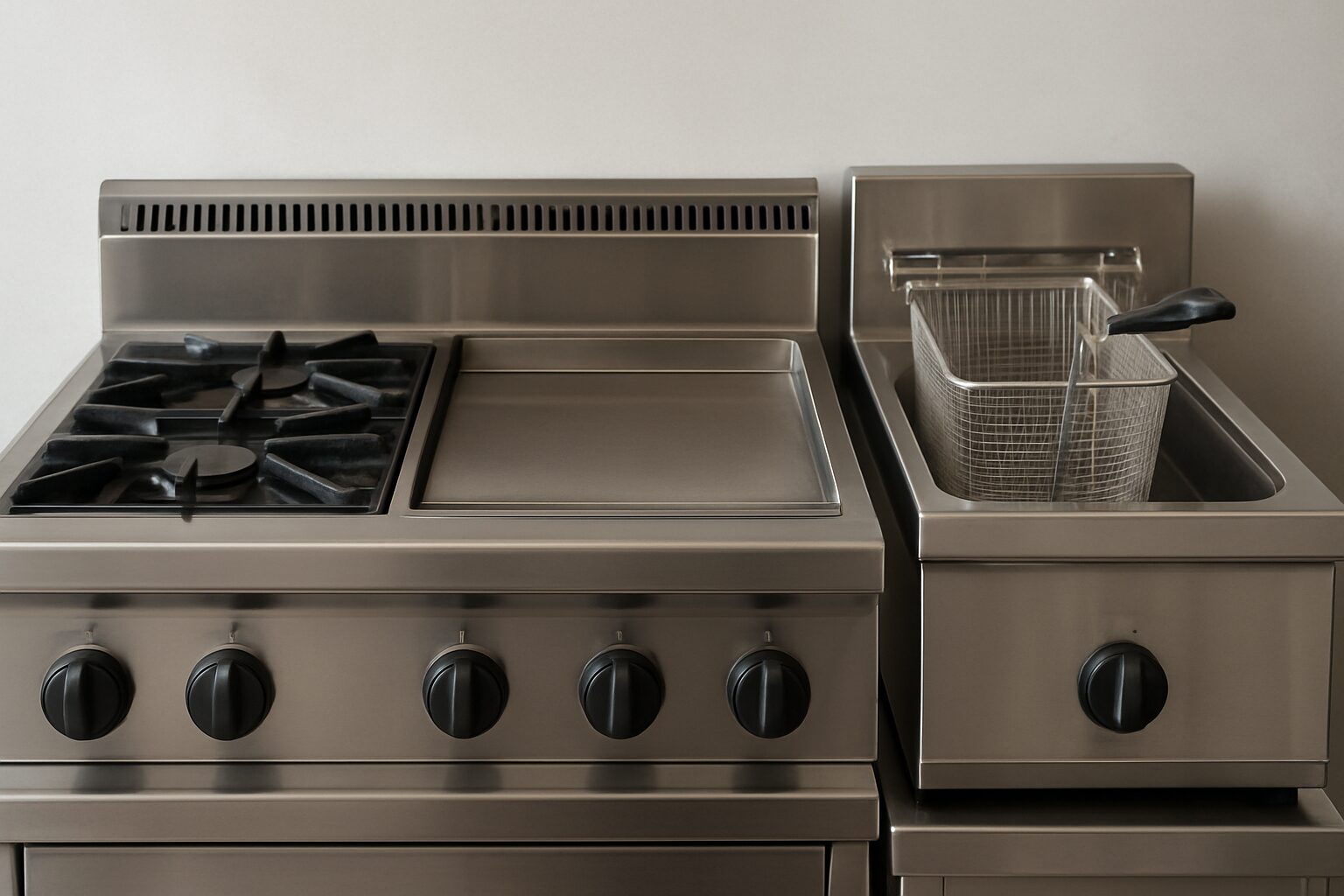
A professional kitchen is only as strong as the equipment that powers it. Whether you’re setting up a new commercial space or upgrading an existing one, the decisions you make during the kitchen equipment sales process will shape how efficiently your kitchen operates for years to come. This guide walks you through the key factors to consider, the questions worth asking, and how to approach each purchase with confidence and clarity.
What’s Covered
- Why Does Choosing the Right Kitchen Equipment Matter?
- What Should You Prioritize When Evaluating Kitchen Equipment?
- How Do You Identify a Reputable Kitchen Equipment Sales Provider?
- What Are the Most Important Categories in Commercial Kitchen Equipment?
- How Should You Plan a Kitchen Equipment Purchase?
- Frequently Asked Questions About Kitchen Equipment Sales
- What is the best way to compare kitchen equipment options?
- How often should commercial kitchen equipment be replaced?
- Is it better to buy new or reconditioned kitchen equipment?
- What questions should I ask a kitchen equipment sales representative?
- How do I ensure my kitchen layout works with new equipment?
- Building a Kitchen That Performs
Why Does Choosing the Right Kitchen Equipment Matter?
The right kitchen equipment doesn’t just make cooking easier—it defines the entire workflow of a commercial kitchen. From the speed at which orders leave the pass to the consistency of every dish served, your equipment choices have a direct impact on productivity, food quality, and staff performance.
Poor equipment decisions can lead to frequent breakdowns, costly repairs, and unnecessary downtime. On the other hand, well-chosen, high-quality equipment supports your team, reduces waste, and ultimately contributes to a more profitable operation. This is why approaching kitchen equipment sales with a strategic mindset is so important.
What Should You Prioritize When Evaluating Kitchen Equipment?
Durability and Build Quality
Commercial kitchens operate under demanding conditions. Equipment is used for long hours, exposed to heat, moisture, and heavy use on a daily basis. Prioritizing durability means looking for products built from robust materials—stainless steel surfaces, reinforced components, and well-engineered mechanical parts. Before committing to a purchase, ask suppliers about the expected lifespan of a product and what materials were used in its construction.
Energy Efficiency
Energy consumption is one of the most significant ongoing costs in any commercial kitchen. Equipment that is designed with energy efficiency in mind can make a meaningful difference over time. When reviewing options through kitchen equipment sales channels, look for products that have been engineered to reduce energy usage without compromising on performance.
Compliance with Health and Safety Standards
Every piece of commercial kitchen equipment must meet relevant health, safety, and hygiene standards. These regulations exist to protect staff and customers alike. Reputable kitchen equipment sales providers will always ensure their products are certified and compliant with industry standards. Never compromise on this aspect—non-compliant equipment can result in failed inspections and serious operational consequences.
How Do You Identify a Reputable Kitchen Equipment Sales Provider?
Not all suppliers are created equal. A reliable kitchen equipment sales provider should offer more than just a product catalog. They should serve as a knowledgeable partner throughout the purchasing process.
Here’s what to look for:
Industry Experience: Providers with a long history in the commercial kitchen space bring a depth of knowledge that newer entrants simply cannot match. They understand the unique demands of different kitchen environments and can offer tailored recommendations.
After-Sales Support: Equipment will occasionally require servicing, parts replacement, or technical assistance. A trustworthy supplier will offer responsive after-sales support, clear warranty terms, and access to spare parts.
Product Range: A broad, well-curated product range gives you the flexibility to source everything you need from one provider. This simplifies procurement and often leads to better pricing when purchasing multiple items together.
Transparent Pricing: While specific figures vary, a credible supplier will always be upfront about pricing, with no hidden fees or misleading quotes. Clear, itemized quotes make it easier to compare options and stay within budget.
What Are the Most Important Categories in Commercial Kitchen Equipment?
Cooking Equipment
The cooking station is the heartbeat of any commercial kitchen. Ovens, ranges, grills, fryers, and steamers all play essential roles depending on your menu. When browsing kitchen equipment sales options in this category, consider the volume you need to produce and the specific cooking methods your menu demands. A high-output kitchen will need equipment rated for sustained, continuous use.
Refrigeration and Cold Storage
Maintaining proper food safety standards requires reliable refrigeration. Commercial refrigerators, freezers, blast chillers, and cold rooms must be sized appropriately for your storage needs. Inadequate cold storage is one of the leading causes of food spoilage and compliance failures. When reviewing options, pay attention to temperature consistency, ease of cleaning, and build quality.
Food Preparation Equipment
From slicers and mixers to food processors and cutting stations, preparation equipment directly impacts how efficiently your kitchen operates before service begins. Investing in reliable prep equipment means your team can work faster and more consistently, reducing the pressure during peak service times.
Dishwashing and Hygiene Systems
A clean kitchen is a functional kitchen. Commercial dishwashers, sanitizing systems, and hand-washing stations are non-negotiable. When evaluating kitchen equipment sales options in this category, prioritize machines that combine throughput capacity with water and energy efficiency.
How Should You Plan a Kitchen Equipment Purchase?
Audit Your Existing Setup
Before reaching out to suppliers, conduct a thorough audit of your current equipment. Identify what is performing well, what needs replacing, and where gaps in your setup are slowing down service. This exercise gives you a clear starting point and helps you prioritize purchases.
Define Your Menu Requirements
Your menu should drive your equipment decisions—not the other way around. If your offering is built around baked goods, your oven investment will be very different from a kitchen focused on grilled proteins. Mapping your equipment needs to your menu ensures you’re not paying for capability you don’t need.
Plan for Future Growth
Purchasing equipment that matches your current volume is sensible, but it’s equally important to plan ahead. If you anticipate growth in the coming years, consider whether your chosen equipment can scale with demand or whether it will need to be replaced sooner than expected.
Work With a Specialist
Consulting with a kitchen equipment sales specialist—rather than purchasing entirely online—can save you from costly mistakes. A specialist can walk you through technical specifications, flag potential issues with your kitchen layout, and help you build a setup that works cohesively.
Frequently Asked Questions About Kitchen Equipment Sales
What is the best way to compare kitchen equipment options?
Start by listing your specific operational needs, then request detailed product specifications from multiple suppliers. Compare build quality, warranty terms, energy ratings, and after-sales support rather than focusing on price alone. A lower upfront cost can often mean higher long-term expenses if maintenance is frequent.
How often should commercial kitchen equipment be replaced?
There is no universal timeline, as it depends on the type of equipment, usage intensity, and maintenance history. Routine servicing extends the life of most equipment significantly. As a general principle, begin evaluating replacement when repair costs become a recurring expense rather than an occasional one.
Is it better to buy new or reconditioned kitchen equipment?
Both options have merit depending on your circumstances. New equipment comes with warranties, the latest technology, and full manufacturer support. Reconditioned equipment can be a cost-effective choice for lower-risk items, provided it has been properly inspected and certified. For high-use, high-stakes equipment like cooking ranges and refrigeration units, new is generally the safer investment.
What questions should I ask a kitchen equipment sales representative?
Key questions include: What is the expected lifespan of this product? What does the warranty cover, and for how long? Are spare parts readily available? What maintenance is recommended, and how often? Does this product meet all relevant safety certifications? A reputable supplier will welcome these questions.
How do I ensure my kitchen layout works with new equipment?
Before finalizing any purchase, share your kitchen floor plan with your supplier. Experienced kitchen equipment sales professionals can advise on placement, ventilation requirements, utilities connections, and workflow efficiency. Getting this right from the start prevents expensive retrofitting later.
Building a Kitchen That Performs
Selecting the right equipment is one of the most consequential investments a foodservice business will make. Approach every kitchen equipment sales decision methodically—prioritizing quality, compliance, and long-term value over short-term savings. Work with knowledgeable suppliers, ask the right questions, and build a kitchen that supports your team and your menu from day one. The right foundation makes everything that follows easier.
Quick Summary
- The right kitchen equipment defines the workflow of a commercial kitchen and directly impacts productivity and food quality.
- Durability and build quality are essential when choosing kitchen equipment, with stainless steel surfaces and reinforced components recommended.
- Energy-efficient equipment can significantly lower ongoing costs in a commercial kitchen without compromising performance.
- All commercial kitchen equipment must comply with health, safety, and hygiene standards to avoid failed inspections and operational consequences.
- A reliable kitchen equipment sales provider should offer industry experience, after-sales support, a broad product range, and transparent pricing.




Leave a Reply